
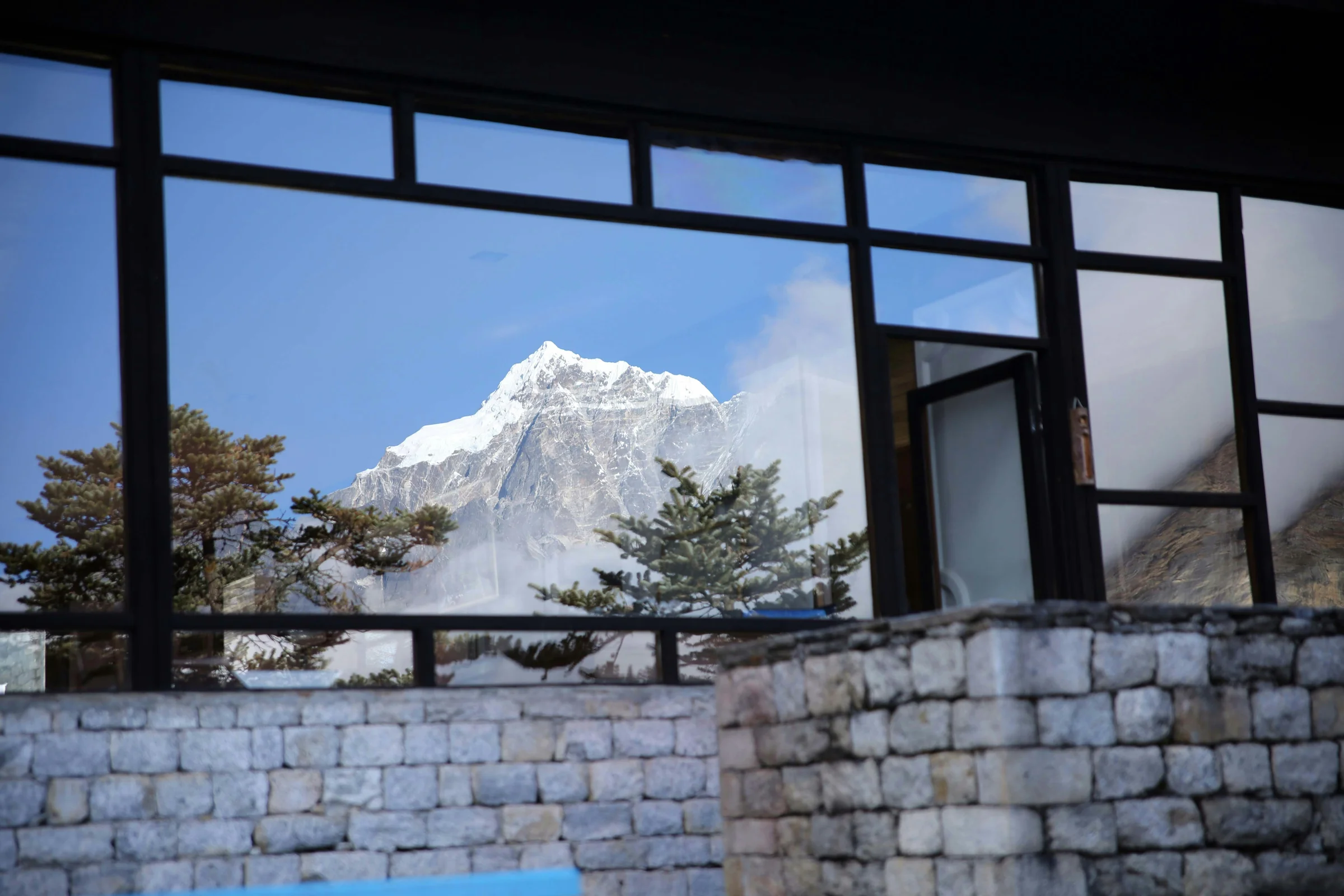
Overview
Nepal holds eight of the world's fourteen highest mountains and a thousand years of living culture in a country you can cross in a morning's flight. Medieval cities where woodcarvers still work their family squares; monastery valleys under Everest; jungle in the south where rhinos walk at dawn. We have worked this ground since 1998 — every journey here is private, built around your dates, and drawn from the places we know deserve your time.
Best Time to Visit
- Spring
- Warm with rhododendron blooms, occasional rain
- Summer
- Monsoon season with heavy rainfall
- Autumn
- Clear skies, best mountain visibility
- Winter
- Cold but clear, snow at higher elevations
Highlights
Mount Everest
The world's highest peak, seen at close range — by lodge, and by helicopter
Kathmandu Valley
UNESCO World Heritage temples and rich Newari culture
Annapurna Circuit
One of the world's best long-distance treks
Chitwan National Park
Wildlife sanctuary with rhinos, tigers, and elephants
Pokhara
The lake, the Annapurna skyline, and the gentlest pace in Nepal
Lumbini
Birthplace of Buddha and sacred pilgrimage site
Explore Nepal
Discover the distinct regions and experiences that make Nepal extraordinary.
Kathmandu Valley
Explore Kathmandu Valley in luxury. Seven UNESCO World Heritage Sites, ancient t...
Everest Region
The Everest region in comfort: the Khumbu's finest lodges, expert Sherpa guides,...
Annapurna
Trek the Annapurna region in luxury. From Poon Hill sunrise to Tilicho Lake, exp...
Chitwan
Luxury wildlife safari in Chitwan National Park, Nepal. Track one-horned rhinos,...
Pokhara
Pokhara in comfort: Phewa Lake, the Annapurna skyline, ridge-top lodges, and the...
Upper Mustang
Explore the forbidden kingdom of Upper Mustang. Ancient Buddhist monasteries, dr...
Getting There
Tribhuvan International Airport (KTM) in Kathmandu is Nepal's main international gateway. Direct flights are available from major Asian cities including Delhi, Bangkok, Doha, and Singapore.
Getting Around
Domestic flights link Kathmandu with Pokhara, Lukla, and the Terai. On our journeys, every transfer is by private vehicle with a driver and guide, and all domestic flights are booked and managed by our Kathmandu operations — you will never navigate this yourself.
Find Your Flights
Main international gateway to Nepal. Most flights connect via Doha, Istanbul, or Delhi. Direct flights available from select Asian cities.
Typical airlines: Qatar Airways, Turkish Airlines, Himalaya Airlines, Nepal Airlines, Air India, FlyDubai
International flights are not included in CuratedAscents packages.
Cultural Tips
Remove shoes before entering temples and homes
Shoes are considered impure and removing them shows respect
Use your right hand for eating and giving
The left hand is considered unclean in Nepali culture
Dress modestly at religious sites
Cover shoulders and knees when visiting temples and monasteries
Ask permission before photographing people
Many locals appreciate being asked first, especially monks and elderly
Walk clockwise around Buddhist monuments
This follows the traditional circumambulation direction
Packing List
Trekking
- ●Broken-in walking boots
- ●Layered clothing
- ●Down jacket
- ●Rain shell
- ●Sunglasses and sunscreen SPF50+
- ●Refillable water bottle
- ●Personal medications
Cultural
- ●Modest clothing
- ●Comfortable walking shoes
- ●Light scarf for temples
- ●Sunglasses
- ●Daypack
- ●Camera
General
- ●Valid passport
- ●Travel insurance documents
- ●Copies of permits
- ●Cash in USD/local currency
- ●Power adapter
- ●Medications
Health & Safety
Altitude sickness is a concern above 2,500m — acclimatize slowly and stay hydrated. Drink only bottled or purified water. Travel insurance with emergency evacuation is essential for trekking.
Money Matters
The Nepali Rupee (NPR) is the local currency. Cards are accepted at the hotels and restaurants our journeys use; a modest amount of cash is useful for artisans and small purchases. Staff gratuities are not included on our journeys and are yours to give — we publish suggested amounts for your leader, porters, guides and lodge staff in your pre-departure pack, and can add them to your final invoice if you would rather not carry cash. Independent dining typically tips around 10%.
Emergency Information
- CIWEC Hospital (Kathmandu)
- Grande International Hospital
- Manipal Teaching Hospital (Pokhara)
Plan Your Nepal Journey
Our AI Expedition Architect will craft a bespoke luxury itinerary tailored to your dates, interests, and travel style.