
Chitwan
Nepal
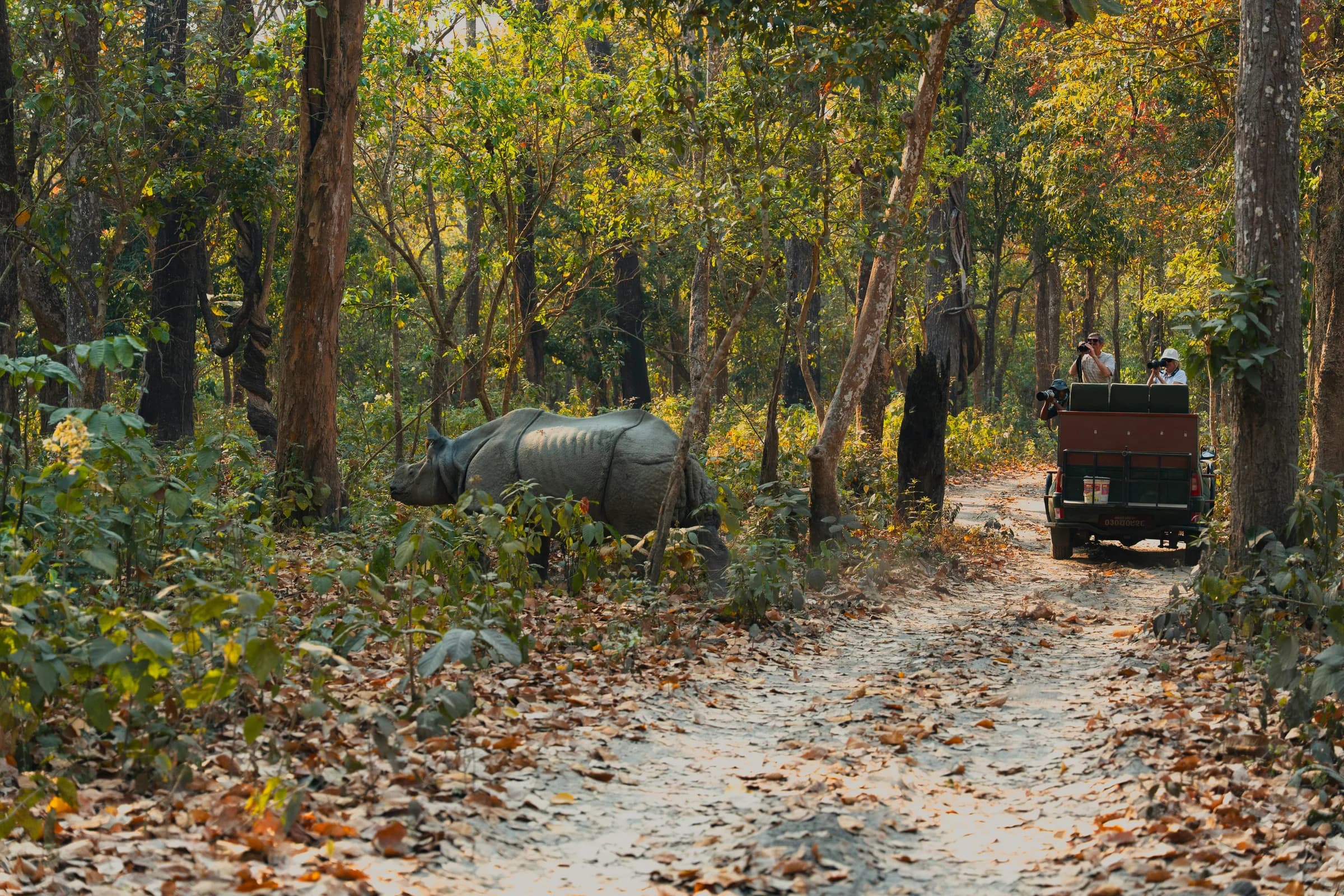
Chitwan National Park, a UNESCO World Heritage Site in Nepal's subtropical Terai lowlands, offers a wildlife experience that rivals the great African safaris. Covering 952 square kilometers of dense sal forests, grasslands, and riverine habitats, Chitwan is home to one of the world's largest populations of the endangered greater one-horned rhinoceros and a growing population of Bengal tigers.
A luxury safari in Chitwan is an immersive experience far removed from the mountains that Nepal is famous for. World-class jungle lodges set on the banks of the Rapti River provide an elegant base from which to explore the park. Private guides with decades of tracking experience lead guests on elephant-back safaris, jeep excursions, and guided nature walks through the jungle. The park's network of watchtowers and hides allows patient observers to witness rare encounters with sloth bears, wild elephants, and gharial crocodiles.
Chitwan's birdlife is extraordinary, with over 550 species recorded within the park boundaries. The winter months attract migratory birds from as far as Siberia, making it one of Asia's premier birding destinations. Dedicated birding guides can arrange early-morning expeditions to spot everything from the Bengal florican to the giant hornbill.
The indigenous Tharu people have lived in harmony with Chitwan's forests for centuries. Their unique culture, expressed through traditional stick dances, distinctive mud-walled houses, and a cuisine built around wild greens and river fish, offers a cultural dimension that enriches the wildlife experience. Luxury lodges arrange private Tharu village visits and cultural performances that provide genuine insight into this fascinating community.
Beyond the standard safari activities, Chitwan offers canoeing on the Rapti River — a serene way to observe riverside wildlife including mugger crocodiles and water monitors. Sunset canoe trips are particularly magical, with the jungle silhouette reflected in golden water as birds return to roost.
A three-to-four-day stay is ideal to fully appreciate Chitwan's diversity. Combined with a Himalayan trek, it creates the perfect contrast — from the world's highest mountains to its richest lowland forests within a single journey.
Best Time to Visit
October–March for dry season and best wildlife viewing; February–March for optimal tiger sighting conditions
Region
Chitwan, Nepal
Highlights
Rhino Tracking
Track the endangered greater one-horned rhinoceros on jeep and walking safaris
Bengal Tiger Safari
Expert-guided expeditions into tiger territory with one of Nepal's best sighting rates
River Canoeing
Glide down the Rapti River spotting crocodiles, river dolphins, and over 550 bird species
Tharu Culture
Experience the unique traditions, dances, and cuisine of the indigenous Tharu people
Elephant Encounters
Ethical elephant interactions at the park's breeding center and rehabilitation facilities
Birding Paradise
Over 550 bird species including the rare Bengal florican and giant hornbill
Journeys That Visit Chitwan
Related Destinations
Plan Your Chitwan Journey
Our AI Expedition Architect will craft a bespoke luxury itinerary tailored to your dates, interests, and travel style.