Ladakh
India
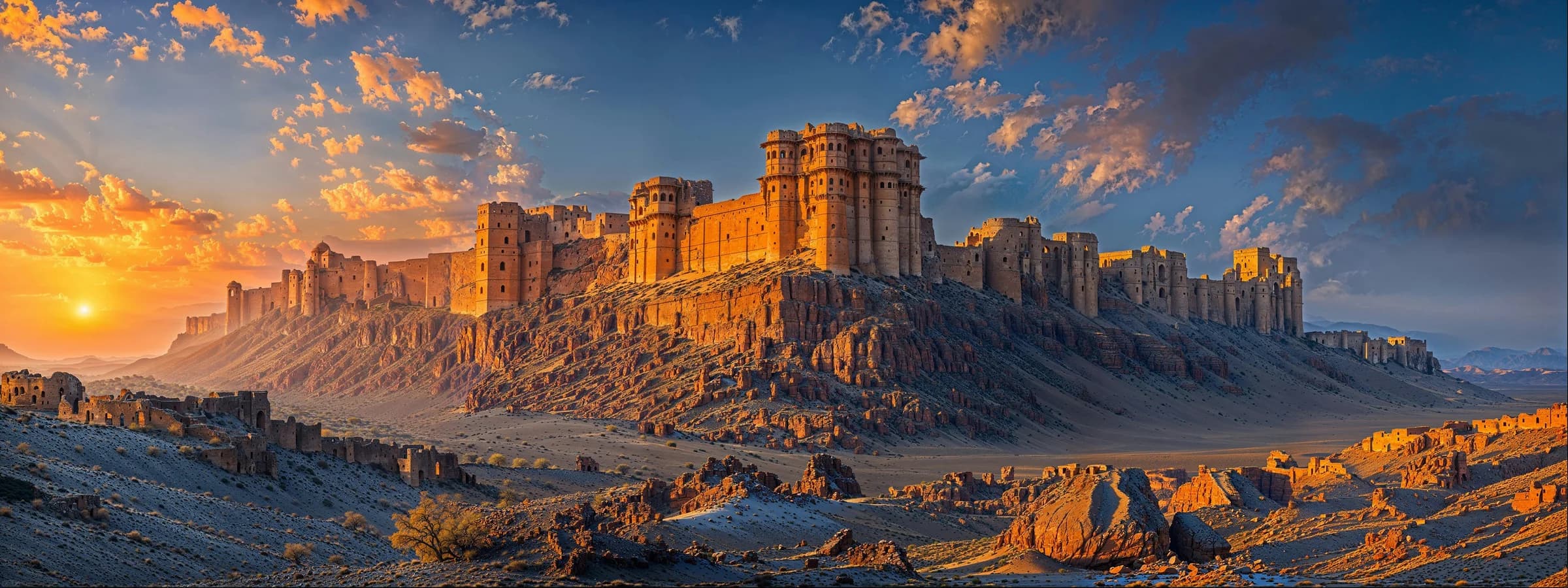
Ladakh, India's "Land of High Passes," is a high-altitude desert kingdom that feels like stepping onto another planet. Perched between the Karakoram and Himalayan ranges in India's northernmost reaches, Ladakh's stark beauty — turquoise lakes, barren mountains streaked with mineral colours, and vast open skies — creates landscapes of almost surreal intensity. This is one of the last places on Earth where traditional Tibetan Buddhist culture thrives unbroken, with centuries-old monasteries crowning dramatic hilltops above ancient trading routes.
The capital, Leh, sits at 3,500m in the Indus Valley, its old town a labyrinth of narrow lanes, whitewashed houses, and the ruins of a former royal palace modelled on the Potala in Lhasa. The modern town blends Ladakhi, Tibetan, and Indian influences in a cosmopolitan atmosphere that belies its remote location. Luxury hotels have arrived in Leh, offering contemporary comfort with traditional Ladakhi architecture and views of the Stok Kangri range.
Ladakh's monasteries are its spiritual jewels. Hemis, the largest and wealthiest monastery in the region, houses a renowned collection of thangkas and hosts the annual Hemis Festival. Thiksey, dramatically perched on a hilltop resembling a miniature Potala Palace, offers dawn prayers accompanied by the deep resonance of ceremonial horns. Lamayuru, one of the oldest monasteries, sits amid a "moonscape" of eroded badlands that seems to belong to a science-fiction film.
Pangong Lake, extending 134 kilometres along the India-China border at 4,350m, is Ladakh's most mesmerising natural wonder. Its waters shift through impossible shades of blue throughout the day, creating a spectacle that defies photography. Luxury glamping on its shores — available only during the summer season — offers an exclusive experience in one of the world's most remote settings.
The Nubra Valley, reached via the Khardung La pass (one of the world's highest motorable roads), reveals a hidden world of sand dunes, double-humped Bactrian camels, and the ancient Diskit Monastery overlooking the Shyok River. This former Silk Road trading route retains an atmosphere of timeless isolation.
The drive from Manali to Leh, crossing multiple passes above 4,000m, is one of the world's great road journeys. For those arriving by air, the flight into Leh with its dramatic mountain approach is an experience in itself. Whichever way you arrive, Ladakh demands time for acclimatisation — and rewards it with experiences available nowhere else.
Best Time to Visit
June–September for accessible passes and warm days; July–August for Hemis Festival; September for autumn colours
Region
Ladakh, India
Highlights
Pangong Lake
Marvel at the colour-shifting waters of this 134km lake at 4,350m on the India-China border
Hemis Monastery
Visit Ladakh's largest monastery with its renowned art collection and annual festival
Thiksey Monastery
Attend dawn prayers at this dramatic hilltop monastery resembling a miniature Potala Palace
Nubra Valley
Explore sand dunes, Bactrian camels, and ancient monasteries on the former Silk Road
Khardung La Pass
Cross one of the world's highest motorable roads at over 5,300m
Luxury Glamping
Exclusive lakeside and valley camping with premium amenities in stunning settings
Luxury Accommodations
The Grand Dragon Ladakh
Leh's premier luxury hotel with heated rooms, fine dining, and Stok range views
$300–500/nightChamba Camp Thiksey
TUTC's luxury glamping with heritage-style tents, butler service, and monastery views
$600–900/nightNimmu House
Restored Ladakhi heritage manor overlooking the Zanskar–Indus confluence
$250–400/nightRelated Destinations
Plan Your Ladakh Journey
Our AI Expedition Architect will craft a bespoke luxury itinerary tailored to your dates, interests, and travel style.