Sikkim
India
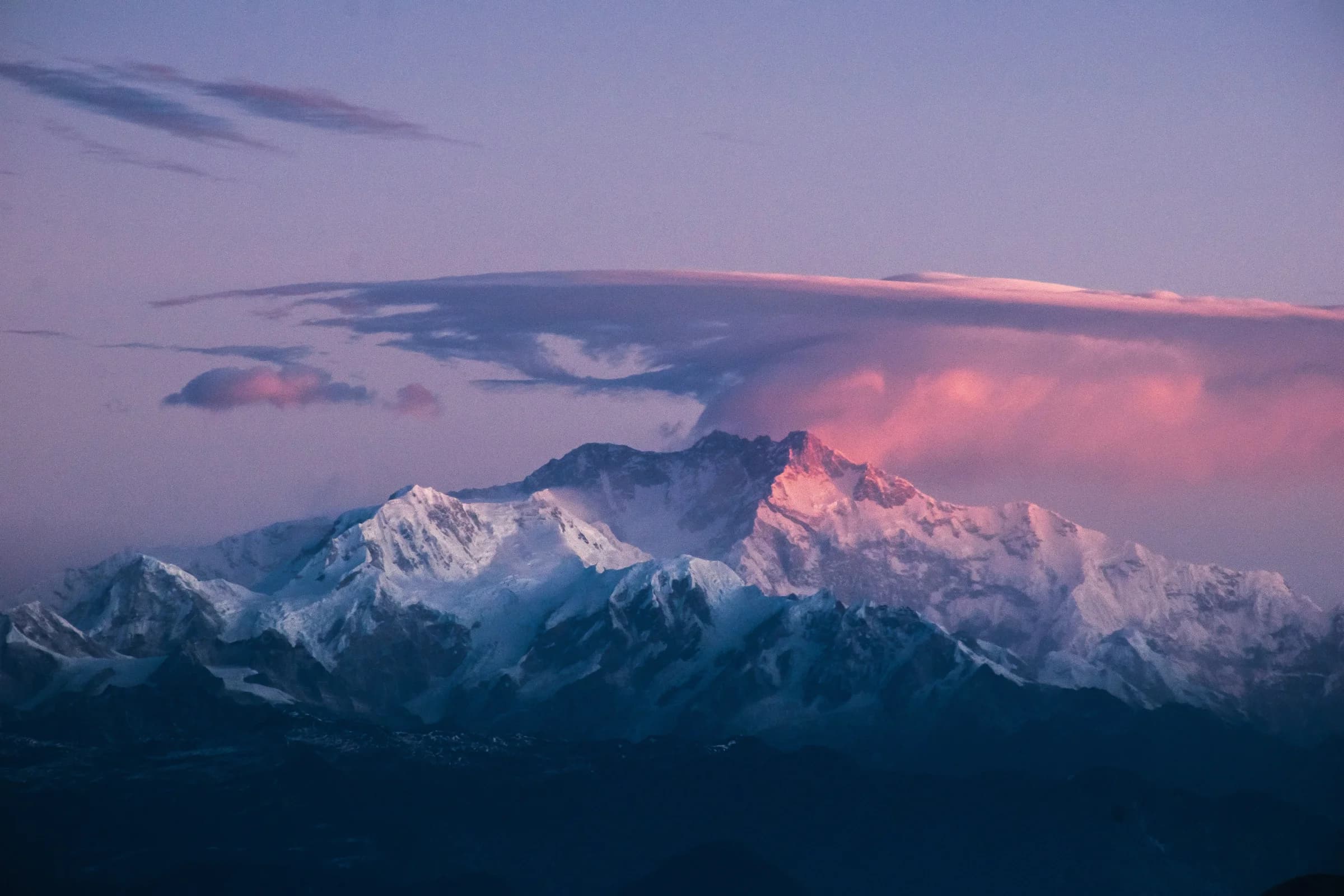
Sikkim is India's best-kept Himalayan secret — a tiny state wedged between Nepal, Tibet, and Bhutan that packs an extraordinary diversity of landscapes, cultures, and experiences into its modest geography. Dominated by Kanchenjunga, the world's third-highest peak, Sikkim rises from subtropical forests teeming with orchids and butterflies to glacial valleys and frozen lakes above 5,000m. It is India's least populated state, its most ecologically rich, and arguably its most beautiful.
Gangtok, the capital, occupies a dramatic ridge at 1,650m with views of the Kanchenjunga range on clear days. The city balances modernity with tradition — MG Marg, the pedestrianised main street, is lined with cafés and shops, while the surrounding monasteries and viewpoints remind visitors of Sikkim's deep Buddhist heritage. The Namgyal Institute of Tibetology houses one of the world's finest collections of Tibetan Buddhist scholarship.
Pelling, on the western slopes facing Kanchenjunga, offers what many consider the finest mountain panorama in India. The 360-degree views from the recently completed Pelling Skywalk are breathtaking, encompassing not just Kanchenjunga but an unbroken wall of peaks extending into Nepal and Tibet. Nearby Pemayangtse Monastery, one of Sikkim's oldest, contains a remarkable seven-tiered painted wooden model of heaven.
North Sikkim is the state's wild frontier. Gurudongmar Lake, at 5,183m one of the highest lakes in the world, is sacred to both Buddhists and Sikhs and remains partially unfrozen even in deepest winter. The journey there, through yak-grazing meadows and past military checkpoints, is an adventure in itself. The remote Lachen and Lachung valleys offer pristine alpine landscapes with rhododendron forests, hot springs, and waterfalls.
Sikkim's biodiversity is staggering. Over 600 species of orchids, 36 species of rhododendrons, and snow leopards, red pandas, and Himalayan black bears make it a naturalist's paradise. The state's commitment to organic farming has made it India's first fully organic state, and this philosophy extends to a growing eco-tourism sector that prioritises sustainability.
A luxury journey through Sikkim typically combines Gangtok, Pelling, and either North Sikkim or the Silk Route through eastern Sikkim. Eight to ten days allows a thorough exploration of this extraordinary state, which increasingly draws discerning travellers seeking authenticity away from India's more trafficked routes.
Best Time to Visit
March–May for rhododendron blooms and clear skies; October–November for crystal-clear mountain views
Region
Sikkim, India
Highlights
Kanchenjunga Views
Witness India's most spectacular mountain panorama — the world's third-highest peak
Gurudongmar Lake
Visit one of the world's highest lakes at 5,183m, sacred to Buddhists and Sikhs
Pelling Skywalk
Walk the glass-floored skywalk with 360-degree views of the Kanchenjunga range
Pemayangtse Monastery
Explore one of Sikkim's oldest monasteries with its extraordinary seven-tiered wooden model of heaven
Orchid Sanctuaries
Discover over 600 orchid species in one of the world's richest biodiversity hotspots
Organic Cuisine
Taste India's first fully organic state through farm-to-table dining experiences
Luxury Accommodations
Mayfair Spa Resort, Gangtok
Sikkim's premier luxury hotel with panoramic mountain views and full-service spa
$200–400/nightElgin Nor-Khill, Gangtok
Heritage property that was once the royal guesthouse, blending colonial and Sikkimese style
$150–300/nightThe Denzong Regency, Pelling
Boutique hotel with unobstructed Kanchenjunga views and Sikkimese hospitality
$120–250/nightRelated Destinations
Plan Your Sikkim Journey
Our AI Expedition Architect will craft a bespoke luxury itinerary tailored to your dates, interests, and travel style.